

A simple two-day itinerary framework that leaves room for discovery.
Choose one main experience per day
A weekend trip becomes tiring when every hour is scheduled. Select a museum, neighborhood or outdoor attraction as the main event, then place meals and optional stops nearby. Leave a small buffer for transport and queues.
Stay close to the activities you value
Accommodation farther away can be cheaper per night but cost more in travel time. Compare total transport expenses and the convenience of returning to the room during the day.
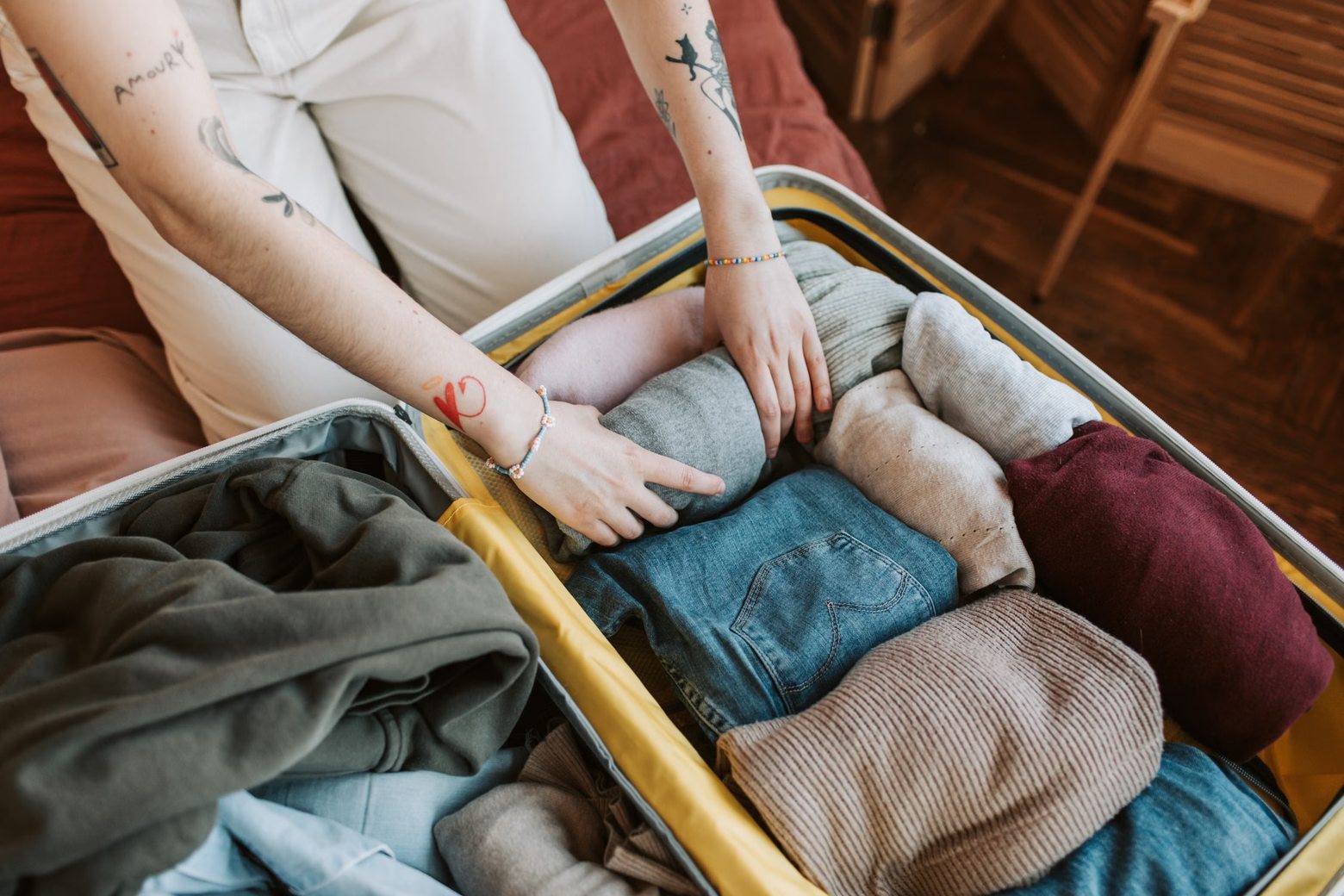
Pack for the actual forecast
Check the expected weather shortly before departure. Choose versatile pieces that work together and prioritize comfortable footwear. For a short trip, a compact bag often makes moving around much easier.
Make a practical spending plan
Separate transport, lodging, meals, admission fees and an allowance for spontaneous activities. Booking essential experiences early can prevent disappointment, while leaving some flexibility preserves the sense of exploration.
Keep a few essentials offline
Save your accommodation address, booking confirmations and basic travel details in a form accessible without mobile data. Share key plans with a trusted person when appropriate.
Pack around two full days
Build two outfits that share a layer and shoes. Check the forecast for the hours you expect to be outdoors, then add the smallest useful layer for the likely conditions. Place medication and essentials in a pocket you can reach without opening the whole bag.
Check the exact size and weight allowance for your ticket before packing. A bag that fits one carrier’s personal item allowance may count as a paid cabin bag on another. Leave a little room for anything you expect to bring home.
Editorial note: This article is intended for general information and does not replace professional advice tailored to your circumstances.